Erase the Internet
The internet was a mistake.
It’s time to fix it.

Computers Used to help and Inspire Humanity
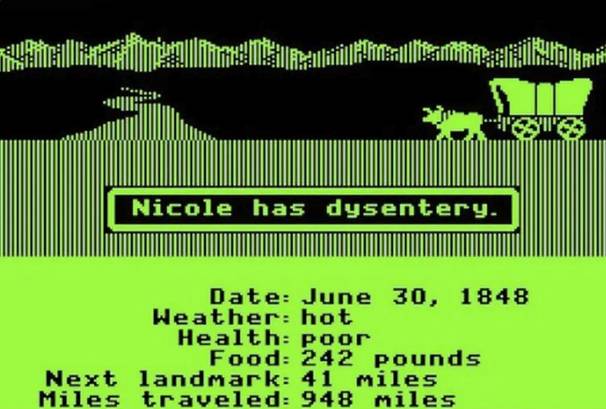
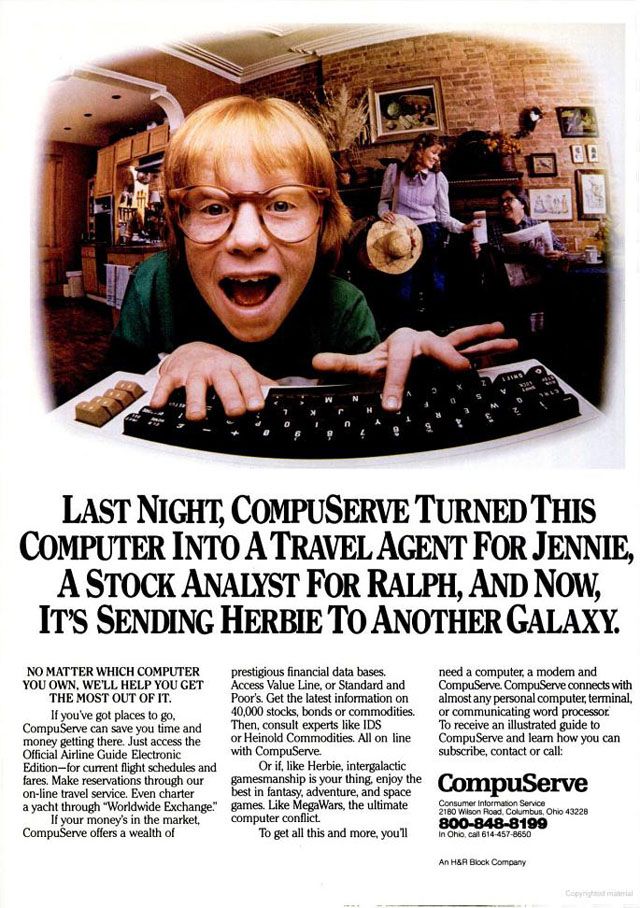
In decades past, humans used computers to learn, to chat with friends and strangers, to play silly games, and to share cat photos. We made friends. We created weird and unusual websites just for fun. Websites offered unique experiences and had a spark of eccentricity about them. Sure, there was the occasional computer virus or bout of dysentery, but we were exploring a new dimension of information and interconnectivity.
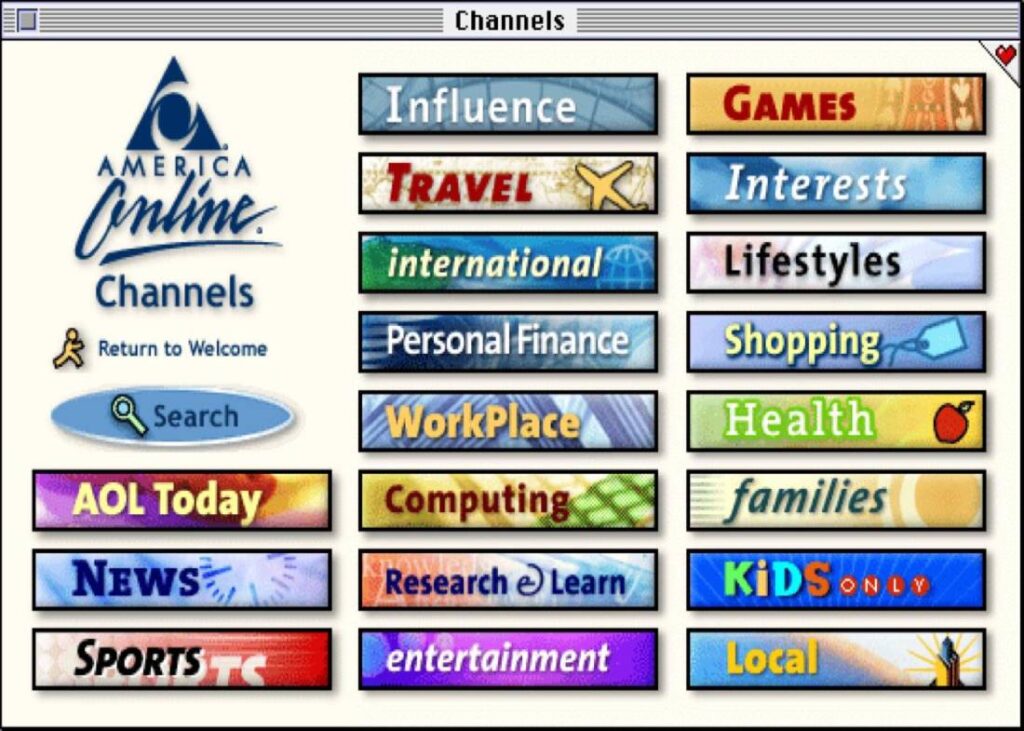
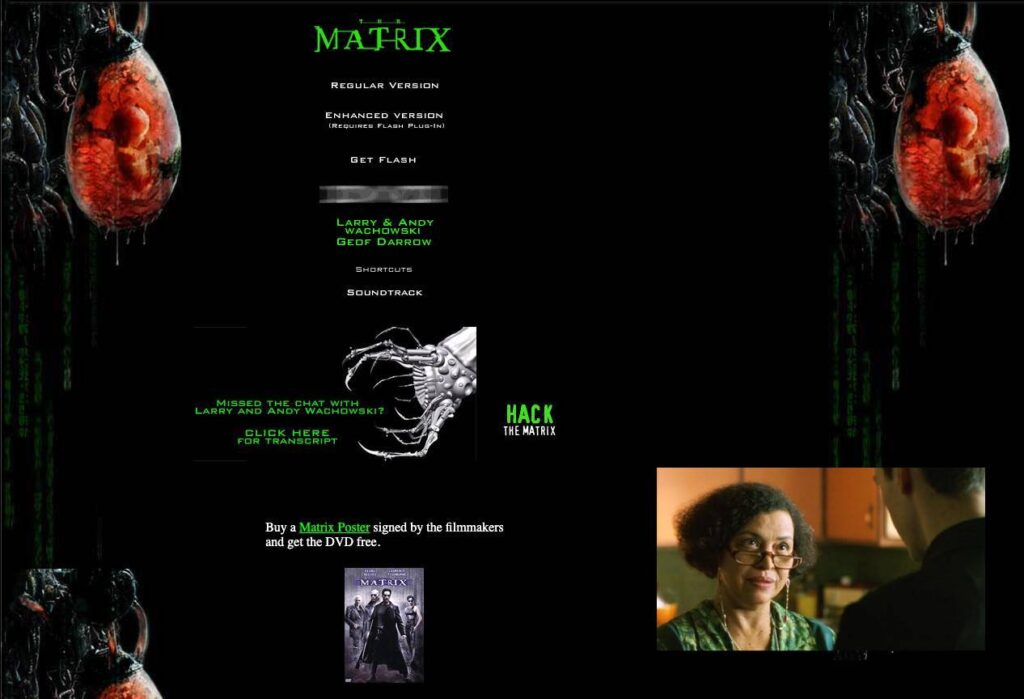
What was once fun and intriguing is now Sterile and Lifeless
People used to talk about 'surfing the web,' and 'exploring cyberspace.' They imagined the future would be a bright place. Now, the art and imagination once seen everywhere in digital form, is now languishing and replaced with ads and manipulation. Human connection has been limited, except to promote outrage and addiction. In some cases AI users are even replacing human users, pushing us toward the hypothesized "dead internet theory."
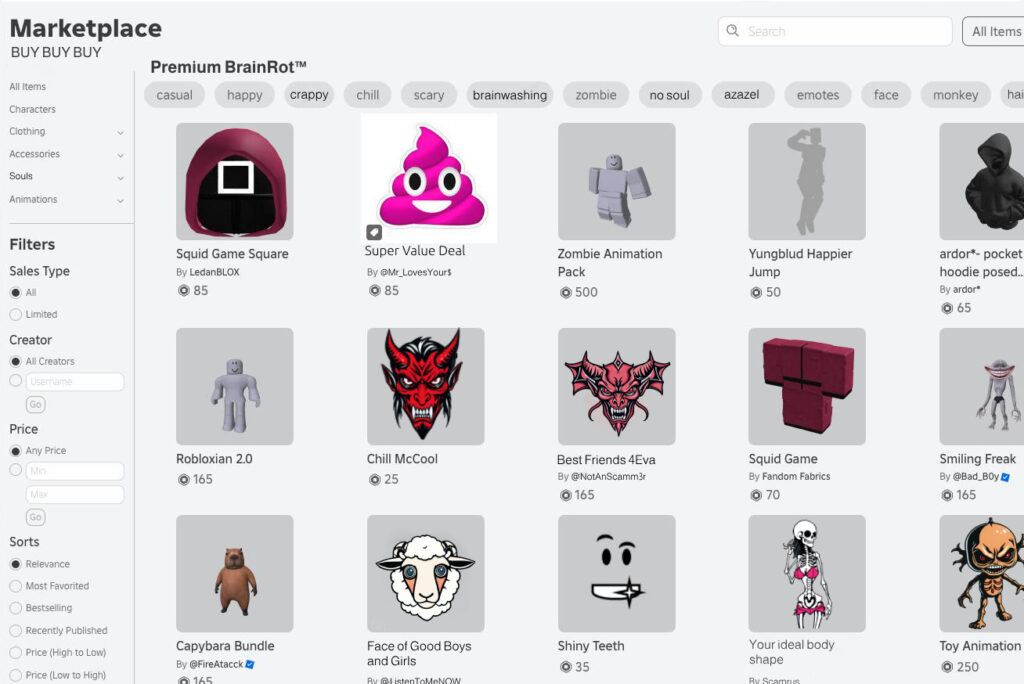
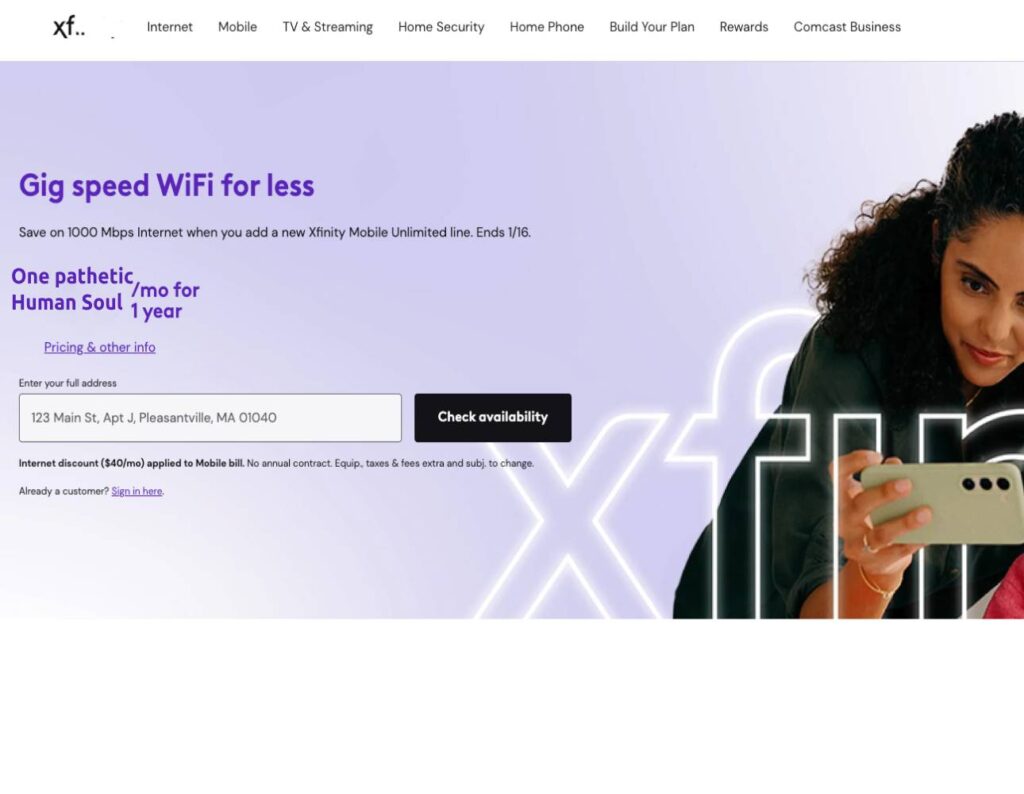

Technology inspired hope and Radical creativity
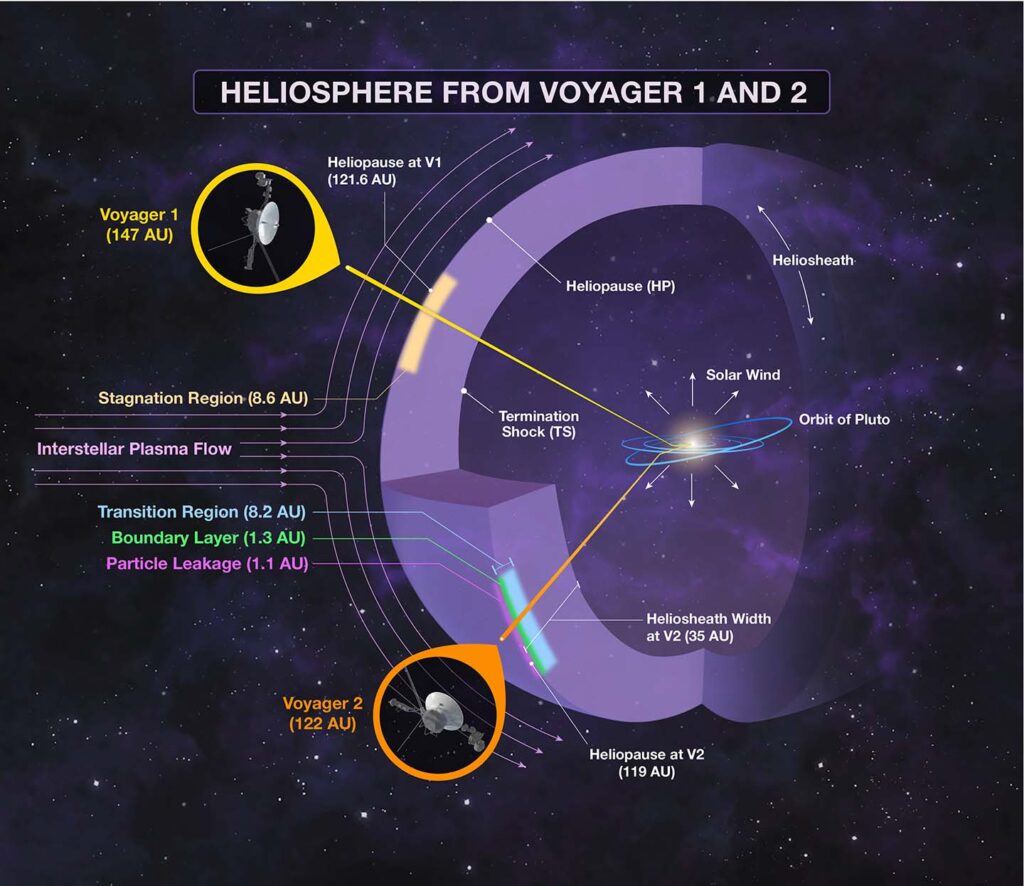
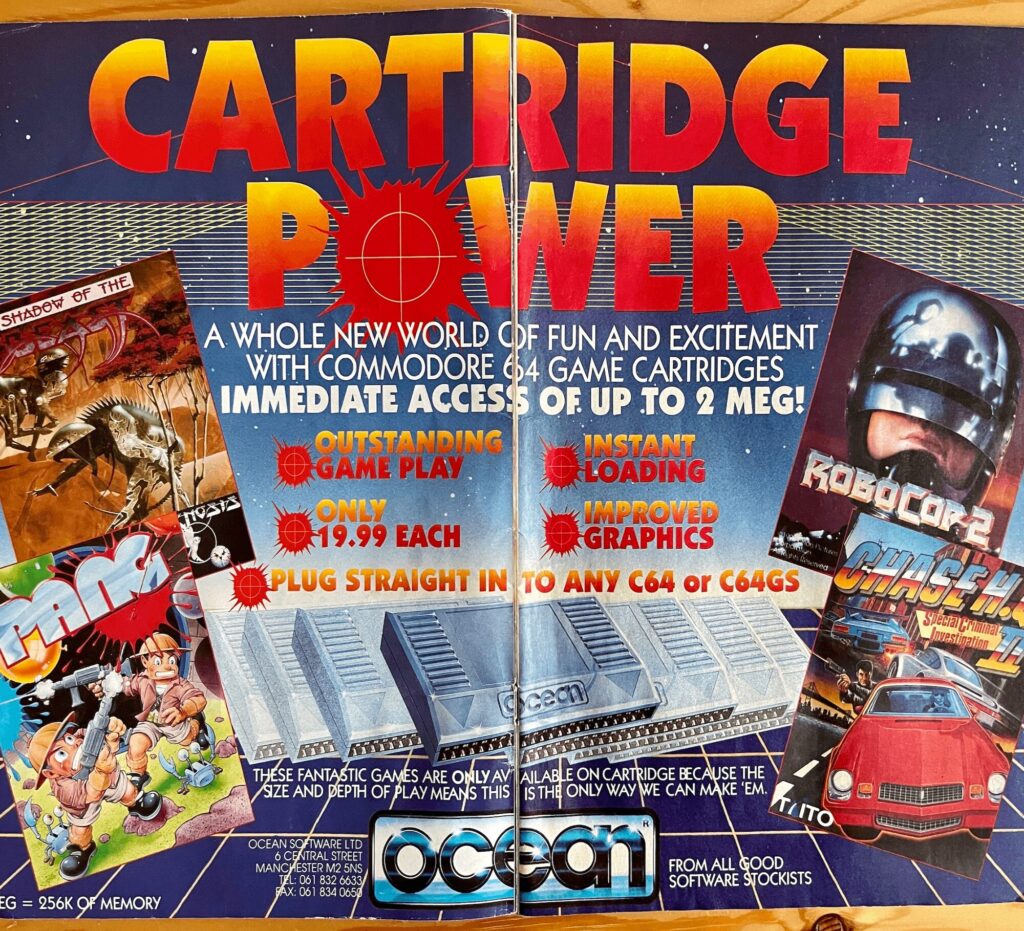
In the 80's and 90's, people looked to the future with a sense of hope. There was a sense of wonder when Voyager 2 passed Neptune in 1989 and when NASA sent Cassini to explore Saturn in 1997, aided by state-of-the-art computer systems. Electronic music took off as artists like Daft Punk, Orbital, Tangerine Dream, and The Future Sound of London pushed the boundaries of music with the help of synthesizers and electronic instruments. Computer games pushed the boundaries of technology, growing from 2D platformers like Tron, Donkey Kong, and the original Zelda into 3D immersive experiences like Final Fantasy VII, Tomb Raider, and Ocarina of Time. In medical science, astronomy, and physics, computers allowed scientists to process data in new ways. And on top of it all, and exciting new tool was emerging that let scientists communicate, share data, and collaborate like never before: call ARPANET and then NSFnet in the mid 80's, the world wide web became widely available in the 90's.
The Web Should Connect Us
We called it the "world wide web" -- the reason we type "www" before website addresses -- and it was meant to be a virtual 3rd-space for connectedness, sharing, and communication. The early internet was a place for academic and government researchers to collaborate, share resources, and information. Initially funded by DARPA, it was later funded by the National Science Foundation to make it broadly available and to encourage worldwide participation. At first, the web was used to share scientific papers and exchange data, but by the time the 90's rolled around it had chat rooms, forums, and early websites for music, games, and media. People made friends across the globe, wrote digital diary entries, and created websites for their favorite books, movies, shows, and bands. Others used websites to spread wacky ideas, or for jokes. Certainly, the early web had its flaws: viruses were everywhere, connections could be ruined by picking up the phone, and folks were getting scammed right away. But the web was fun then, and it inspired a sense of optimism in the future.
Where did it all go wrong? Perhaps the problems were always there, but over time things grew worse. The culprit? "The algorithm." Arguments and political debates garner more attention than artwork, poetry, and cat photos. But this is no accident, no quirk of human nature. Any of us can get drawn into drama and debates, but social media algorithms prioritize engagement and clicks, which means prioritizing controversy and outrage. The web is now a negative feedback loop of human anger, and some people are beginning to disconnect. But then that means lower engagement... which is bad for business.
The Robot Takeover
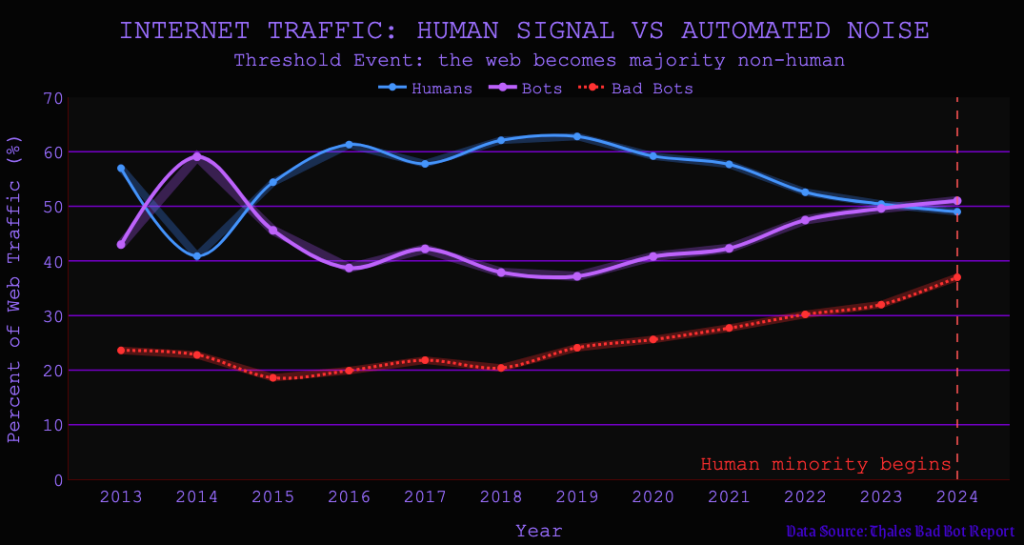
Human usage of the web was actually growing into the mid-2010's, in part because more people were connecting all over the world for the first time. At the same time, the early dot-com boom had long since faded, and the crashes in 2001 and 2008 had left people looking for new opportunities to exploit the web and its human users. Social media was taking off, but with it came a new phenomena: bots. These "bot" users scraped people's data and looked for potential hacks and exploits, much like the hackers of the 80's and 90's, but now with more automation. The bots were not necessarily bad -- some collected useful data, or gathered statistics to help make the web safer. But others were used to attack websites. And over time, a bigger problem emerged: bots that began impersonating humans. Why? To drive fake traffic to website and influencer accounts, for one, and to manipulate users by driving certain narratives to the top of people's feeds. As of 2025, bots officially surpassed human users on the web.
Dead Internet Theory
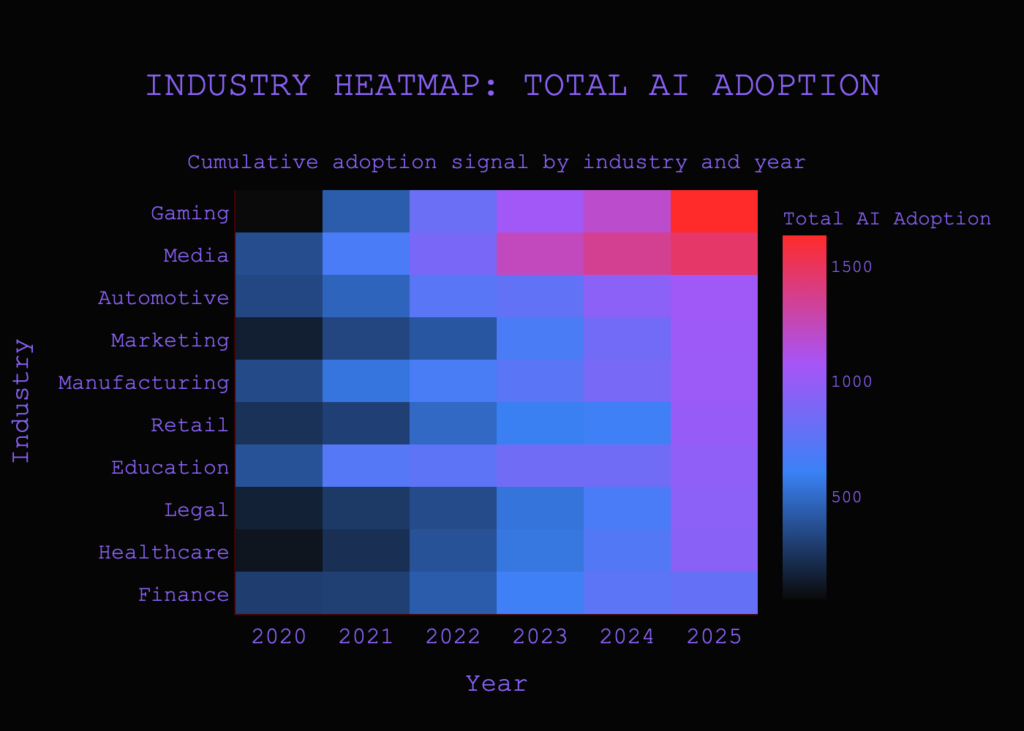
Dead Internet Theory predicts that the web will soon be predominantly AI-generated content and bot users. As we've seen already, the bots are already winning, and much of web traffic is already fraudulent. On top of it, apps and websites are already replacing human content with AI. On Instagram and TikTok, AI content already dominates according to many estimates, and may account for 70% of images posted. Instead of paying humans to create art, music, videos, and cat photos, we're spending enormous resources using machines to do it instead. This shift from human to bot users, and human to AI content, has convinced some people that the mainstream internet is already seriously ill, and on the way to dying. This data below, from Kaggle, helps illustrate the concept, although the data only starts in 2020. It's a bad plot with questionable units (we sum adoption rate over time), but the trend is clear:
The Sanitized Web
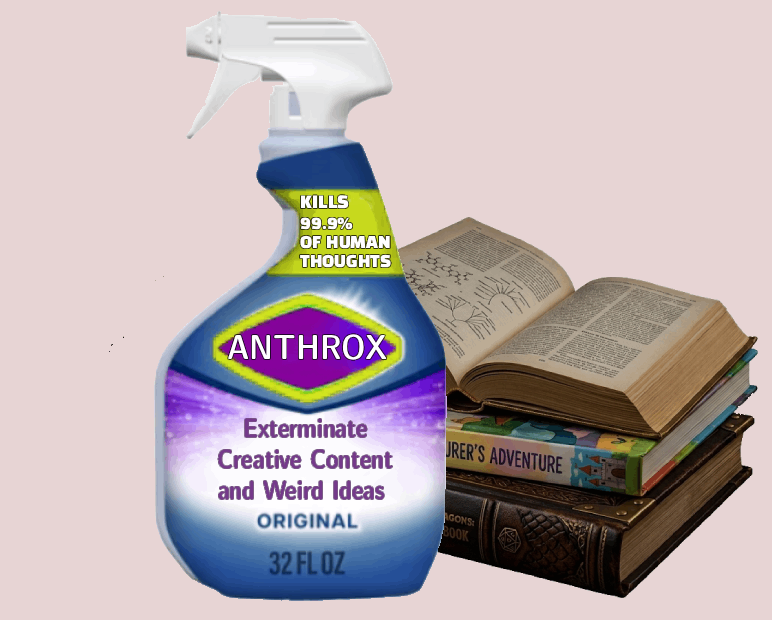
By mid 2025, 35% of websites were at least partially created by AI. Most readers have probably seen this themselves: corporate front pages with generic text and AI generated images, but little actual information. According to a Stanford study, roughly 20% are wholly generated by AI, and semantic diversity is decreasing across the board. This means that we're seeing less variability in word-choice and sentence structure, and less creativity. Fewer human ideas are making it to our screens. Websites tend to be more positive, pleasant, safe, and socially acceptable, but is this really a good thing? Many civil rights were once controversial, as were ideas about things like sanitation, and even biology and astronomy. Controversy is sometimes necessary for new ideas to take hold. So now we have a paradox: human discourse and writing has been purposely taken over by outrage and ragebait, and simultaneously AI is being used to sanitize creative content. Perhaps the pendulum is swinging back the other way, but to what end?
a blueprint to fix the future
How do we even begin to fix this problem? It's possible the internet may die on its own. In some ways that appears to already be happening. Over half of all internet traffic is now artificial bots. But what can we do to help, and to protect ourselves? Step 1: ween off of social media. Delete your accounts. Disconnect and have real conversations with real people. Keep you messaging apps if you must, but go outside and look at the clouds. Pet your cat or walk your dog. As Gen-Z likes to say, touch some grass. If you do use a computer... use it for something creative.
But this alone may not be enough. If the internet itself does not die in an AI-fueled collapse, something more drastic may need to happen.

the Great Erase
We must erase the internet.
The thought occurred to me late one Friday evening, while fog drifted outside the lab and the research associates smoked joints far away, outside the lounges, clubs, and dive bars in the ruins of old downtown. While they were unwinding, I was sifting reams of data, alone in the dark with numbers scrolling down my terminals and code splashed across my screens.
It was an intrusive and disturbing thought, for after all, the internet was a vast trove of knowledge, and a communication web that spanned the globe and united humanity. It was supposed to help humankind. And yet… and yet… everything. The seas were warming and the forests were burning. Strange sicknesses were spreading that left people’s minds foggier than city streets, and even once optimistic fandoms were now rife with discord.
These were not the sort of thoughts I was accustomed to having, for my years of post-graduate instruction were in the medical engineering subfield of biological science. And yet, I could not escape the idea of an erase. A mass deletion. The thought had a life of its own. A vibe that I could not shake. And there in the dark, I knew it was our only hope...
#
The full, "Great Erase" story has been published and featured at Neon Dystopia. Check it out here!
Check out more of my stories, writing, poems, and other ideas at my homepage: www.ryanwalraven.com
Copyright Ryan Walraven 2026
Leave a Reply